


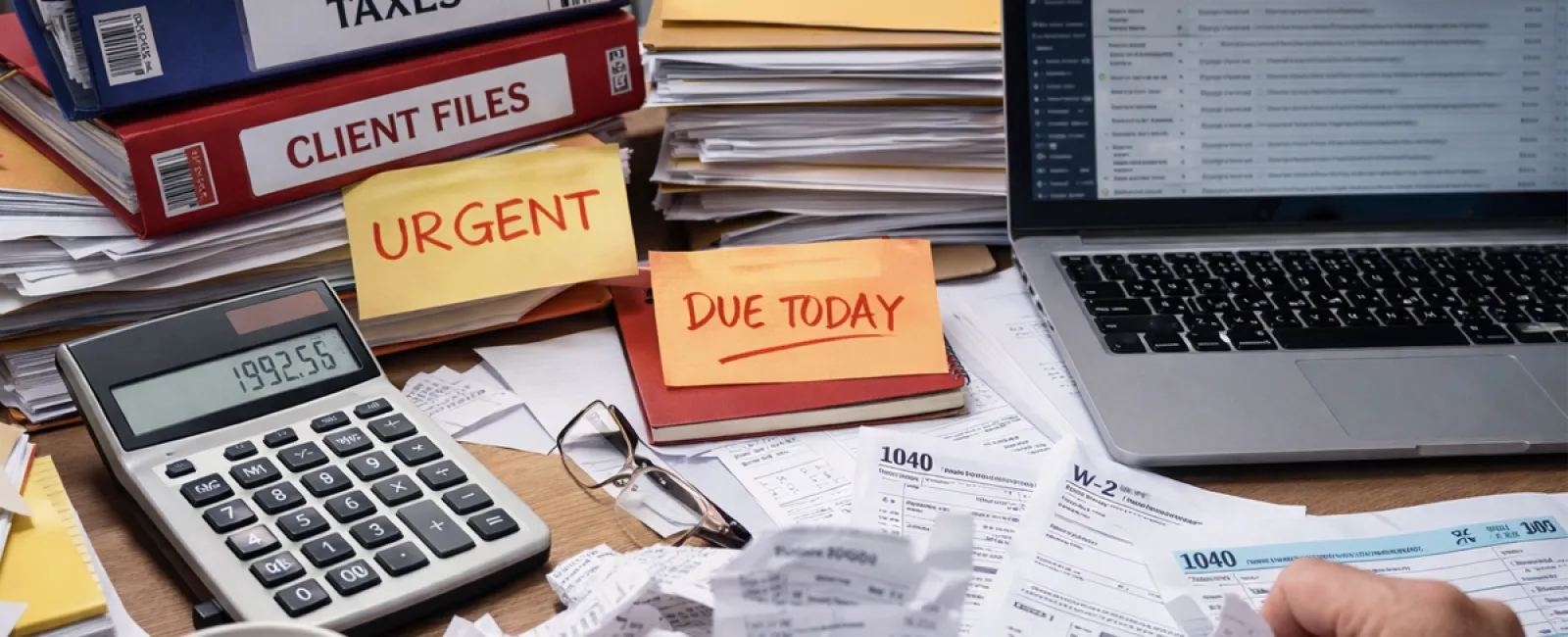
It's March, the height of tax season.
Your accounting team is overwhelmed, deadlines are pressing, and your inbox is flooded with urgent messages.
Everyone is hustling just to keep up.
You know this well.
But so do cybercriminals.
Security experts observe a dramatic rise in phishing scams during tax time, with March seeing around a 28% surge in tax-related fraudulent emails. These scams are cleverly disguised as routine business communications, targeting victims when they are busiest.
This surge is no accident.
It's calculated timing.
Here's what to expect and four practical steps to shield your business from being an easy victim.
The Pressure on the Supply Chain
Many overlook this:
Hackers don't just target accounting firms directly.
They exploit the surrounding chaos.
During tax season:
- Clients hurriedly send sensitive files
- Employees skip usual checks to manage workload
- Requests like "Just send me the file" replace cautious protocols
- Verification steps get overlooked in the rush
The entire process accelerates.
And when things speed up, mistakes multiply.
Hackers focus on hectic businesses, not calm and controlled ones.
March is their prime target.
Recognizing These Attacks
This isn't fiction.
These scam emails blend seamlessly with your everyday inbox.
- An email from "your accountant" requesting you to resend W-2 forms due to delivery issues
- A vendor notifying you of changes to their bank account details
- A DocuSign request demanding an immediate signature on tax paperwork
- An urgent plea from "your CEO" asking for immediate assistance while traveling
At first glance, none of these raise alarms.
They appear as routine business communications amidst tax season craziness.
That's why they succeed.
Why Busy Individuals Fall Victim
This isn't about negligence.
It's human nature.
Overloaded inboxes and tight deadlines lead to skimming and assumptions rather than thorough reading.
Scammers exploit this behavior.
Their emails are crafted for people rushing through their day, missing subtle inconsistencies.
You don't have to be careless — just busy.
And March ensures almost everyone is.
Four Essential Tips to Avoid Being an Easy Mark
The best part? You don't need expensive software or specialists to lower your risks.
Simple, mindful habits during the busiest months can make all the difference.
1. Always Confirm Payment Changes by Phone
If an email claims a vendor's bank info changed, don't respond directly.
Call a number you already trust to verify the update.
This practice blocks some of the costliest business scams.
2. Take Time with Urgent Sensitive Requests
Urgency is a cue to pause, not speed up.
If asked to send W-2s, tax papers, or financial info "immediately," verify the request first.
Genuine senders understand a brief wait. Fraudsters won't.
3. Use Alternate Channels to Confirm Urgent Messages
For urgent emails, double-check via a phone call, text, or internal chat.
A quick verification can prevent costly mistakes.
True emergencies withstand a two-minute check; scams don't.
4. Alert Your Team About Tax Season Scams
This week, remind your team tax season invites scams.
Encourage them to slow down, verify, and ask questions if something seems off.
Giving permission to double-check saves headaches later.
Summary
Tax time is hard enough without falling prey to scams.
These seasonal attacks aren't complex — they're smartly timed.
They count on rushed decisions and assumptions during the hectic month of March.
You don't need a full system overhaul.
Just slow down when things feel urgent and verify before acting.
Often, that's all it takes.
Ready for a Quick Busy-Season Security Check?
Your business might already have strong processes — that's fantastic!
If tax season pushes your team into reactive mode or you're unsure how urgent requests are handled, consider a free Discovery Call.
No pressure, no gimmicks. Just a clear assessment to help prevent major issues during peak season.
If this message doesn't apply directly, please share it with someone who could benefit.
Click here or give us a call at (210) 582-5814 to schedule your free Discovery Call.


